Physical Therapy That Fits Your Life
Our Services in Elm Grove for patients recovering from injury, managing chronic pain, or rebuilding strength after surgery.
Ares Physical Therapy delivers personalized physical therapy to individuals in Elm Grove who need guided recovery, pain management, or functional movement training. You work directly with licensed therapists who assess your condition, design treatment plans specific to your goals, and adjust your program as you progress through each phase of care.
The services you receive address musculoskeletal injuries, post-surgical rehabilitation, chronic pain conditions, sports-related limitations, balance deficits, and age-related mobility decline. Each session includes manual therapy techniques, therapeutic exercises, movement education, and modalities selected based on your presenting symptoms and treatment response. Your therapist tracks measurable outcomes such as range of motion, strength gains, pain reduction, and functional task performance to confirm that the interventions are producing the results you need.
If you are dealing with an injury, persistent discomfort, or reduced function that limits your daily activities, you can schedule an evaluation to discuss your treatment options.
What You Receive During Your Care
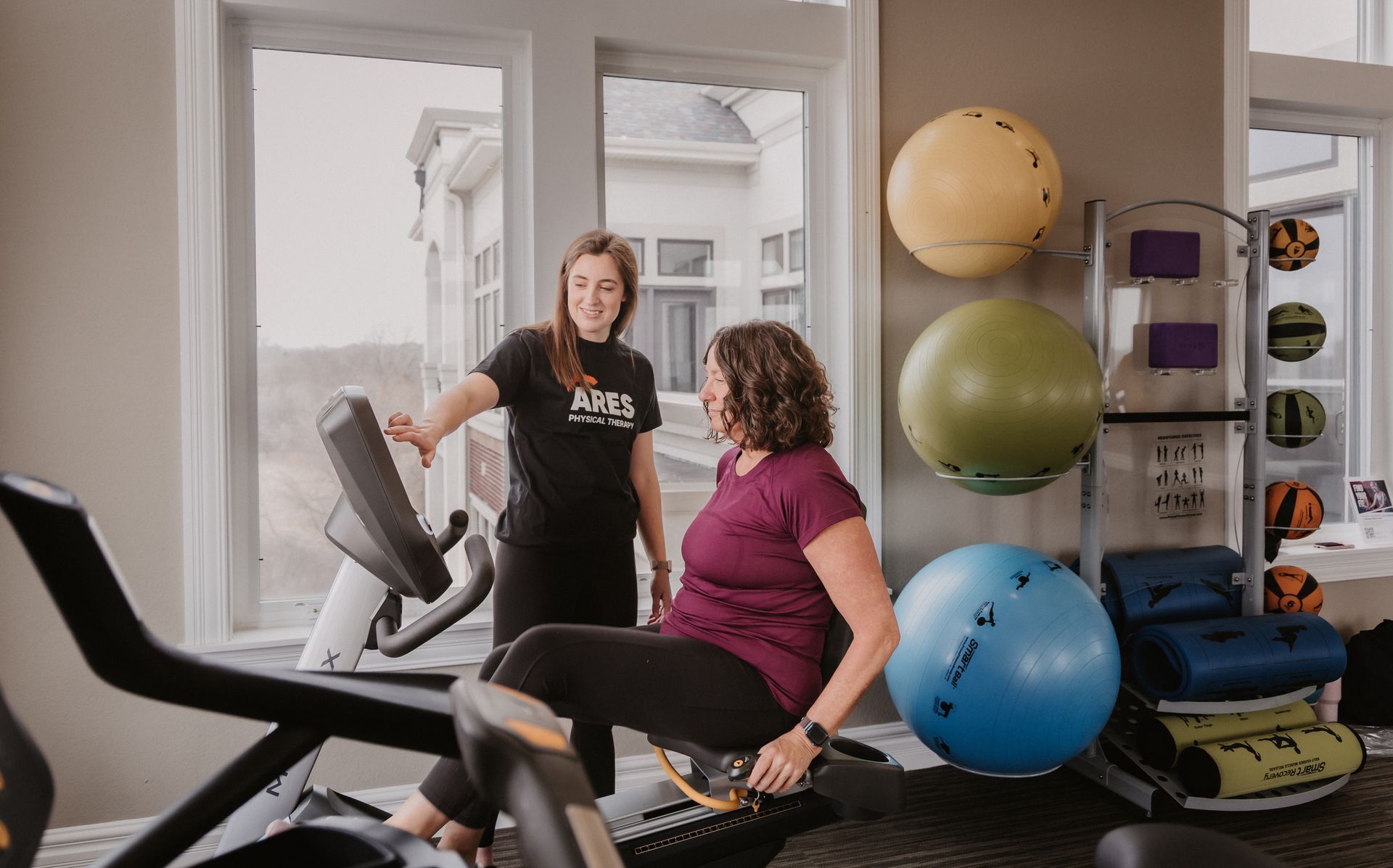
You begin with a comprehensive evaluation that includes a detailed history, movement analysis, strength and flexibility testing, and a discussion of your goals. Your therapist identifies the impairments contributing to your symptoms and develops a treatment plan that outlines the frequency, duration, and specific interventions you will receive. Each session is scheduled in a way that allows focused one-on-one time, ensuring that the exercises and manual techniques are performed correctly and adjusted as needed.
After completing your plan, you will notice improvements such as reduced pain during movement, increased joint mobility, stronger supporting muscles, better posture during functional tasks, and greater confidence performing activities that were previously limited. Your therapist re-evaluates your progress at regular intervals to confirm that you are meeting the benchmarks established at the start of care.
Your treatment may include joint mobilization, soft tissue work, neuromuscular re-education, therapeutic exercise progression, gait training, postural correction, and patient education on self-management strategies. The frequency and combination of techniques are determined by your diagnosis, stage of healing, and response to prior sessions. Some conditions require short-term intervention, while others benefit from extended care with periodic follow-up.
Common Questions About Our Services
The following questions address how services are delivered, what to expect during treatment, and how care is tailored to individual needs.
What conditions do you treat at your clinic?
You receive care for orthopedic injuries, post-operative rehabilitation, chronic pain syndromes, sports injuries, balance and gait disorders, neurological conditions affecting movement, and age-related functional decline. Your therapist evaluates your specific impairments and designs a plan based on your diagnosis and goals.
How long does each treatment session last?
Sessions typically last between 45 and 60 minutes, depending on the complexity of your condition and the number of interventions included in your plan. Your therapist allocates time for hands-on treatment, supervised exercise, education, and progress discussion during each visit.
When should I start physical therapy after an injury?
You should begin as soon as your physician clears you for movement-based treatment, which is often within days to weeks after injury or surgery. Early intervention helps manage pain, reduce inflammation, restore range of motion, and prevent compensatory movement patterns that can delay recovery.
Why do treatment plans vary between patients?
Your plan reflects your unique diagnosis, tissue healing stage, baseline strength and mobility, activity demands, and treatment goals. Two patients with similar injuries may require different approaches based on factors such as age, prior injury history, activity level, and how their tissues respond to manual therapy and exercise.
How do you measure progress during treatment?
Your therapist uses objective measures such as goniometry for joint range of motion, manual muscle testing for strength, pain scales, timed functional tests, and patient-reported outcome tools. These metrics are recorded at initial evaluation and reassessed at regular intervals to confirm that you are progressing toward your functional goals.
Ares Physical Therapy in Elm Grove provides individualized care designed to restore function, reduce pain, and help you return to the activities that matter most. You can contact the clinic to schedule an initial evaluation and begin building a treatment plan tailored to your specific condition and recovery goals.