Get Back Under the Bar Stronger
Ares Physical Therapy in Elm Grove provides expert barbell rehabilitation for lifters who refuse to accept rest as the only answer to injury.
Strength training with barbells builds power and resilience, but heavy loading also exposes weakness, mobility limitations, and movement dysfunction. When lower back pain interrupts your deadlifts in Elm Grove, shoulder impingement limits your pressing, or knee pain flares during squats, you need rehabilitation that understands barbell training and gets you back to lifting safely and stronger.
Ares Physical Therapy treats lower back pain and disc issues from squats and deadlifts, shoulder impingement and rotator cuff injuries from pressing, knee pain from squatting, hip impingement and labral irritation, elbow tendonitis, wrist pain from front rack and overhead positions, chronic muscle strains, and thoracic spine stiffness affecting overhead mobility. We do not tell you to stop lifting and do band exercises. We identify the mobility restriction, strength imbalance, or technical flaw that caused your injury and fix it while keeping you training.
Contact Ares Physical Therapy in Elm Grove to begin barbell rehabilitation that respects your training.
Training through rehab without losing progress
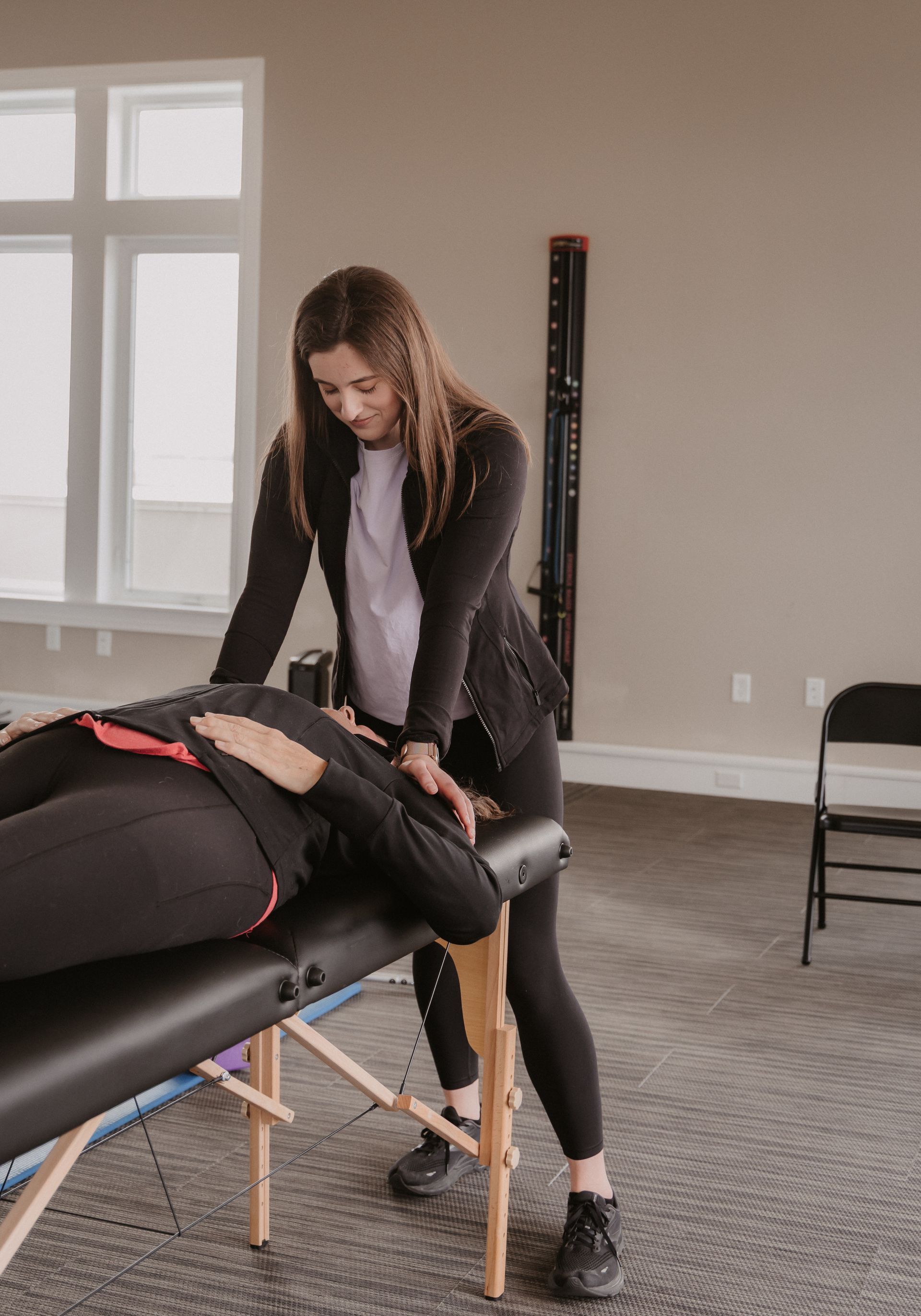
Your treatment in Elm Grove includes movement analysis of your squat, deadlift, press, and Olympic lifts to identify technical flaws contributing to injury. We use manual therapy to restore mobility in your hips, thoracic spine, and shoulders, and dry needling to release chronic tension and trigger points. Cupping therapy addresses accumulated tissue stress from heavy training.
After treatment, you will notice improved depth in your squat without lower back pain, better overhead lockout without shoulder impingement, and the ability to deadlift heavy without nerve pain radiating into your legs. Rehabilitation does not pull you out of the gym. We modify loading, adjust movement patterns, and work around injuries while maintaining your strength and conditioning.
Your program includes targeted accessory work to address weak links, load management strategies to train intelligently through rehab, mobility and stability programming specific to barbell positions, and technical coaching to refine movement patterns. As you heal, we progressively reintroduce the movements that caused pain with objective strength benchmarks, ensuring you return to full loading without re-injury.
You probably have similar questions
Lifters dealing with barbell-related injuries often wonder how to continue training, what caused the problem, and how to prevent it from happening again. These answers address those concerns.
Ares Physical Therapy works with dedicated lifters who value their training and need intelligent rehabilitation that keeps them progressing. All care is delivered by a board-certified Doctor of Physical Therapy who understands barbell biomechanics and the demands of strength training. Get in touch with Ares Physical Therapy in Elm Grove to begin rehabilitation that gets you back to lifting stronger and smarter.