Play Pain-Free Golf with Better Mechanics
Golf physical therapy in Elm Grove for players managing chronic pain, recovering from injury, and seeking to improve performance through better movement.
When lower back pain limits your time on the course in Elm Grove or shoulder discomfort affects your swing, you need care that understands the rotational demands golf places on your body. The golf swing generates significant torque through your spine, hips, and shoulders in less than two seconds, creating injury patterns that require specialized assessment. At Ares Physical Therapy, you receive treatment that identifies restrictions in mobility, strength imbalances, and movement dysfunction affecting your game. We work with golfers who play recreationally several times weekly and those who compete in member tournaments throughout Elm Grove.
Your care addresses lower back pain, disc issues, golfer's elbow, rotator cuff injuries, shoulder impingement, neck stiffness, hip pain, labral tears, wrist tendonitis, knee discomfort, rib strains, sciatica, and chronic muscle strains. Each session includes advanced manual therapy to restore mobility in your spine, hips, and shoulders, along with rotational mobility work specific to the golf swing. We also provide core stability training, progressive strengthening, and flexibility programming designed to support consistent ball striking and prevent re-injury.
If you need assessment or treatment for a golf-related injury in Elm Grove, contact Ares Physical Therapy to schedule an evaluation with our board-certified Doctor of Physical Therapy.
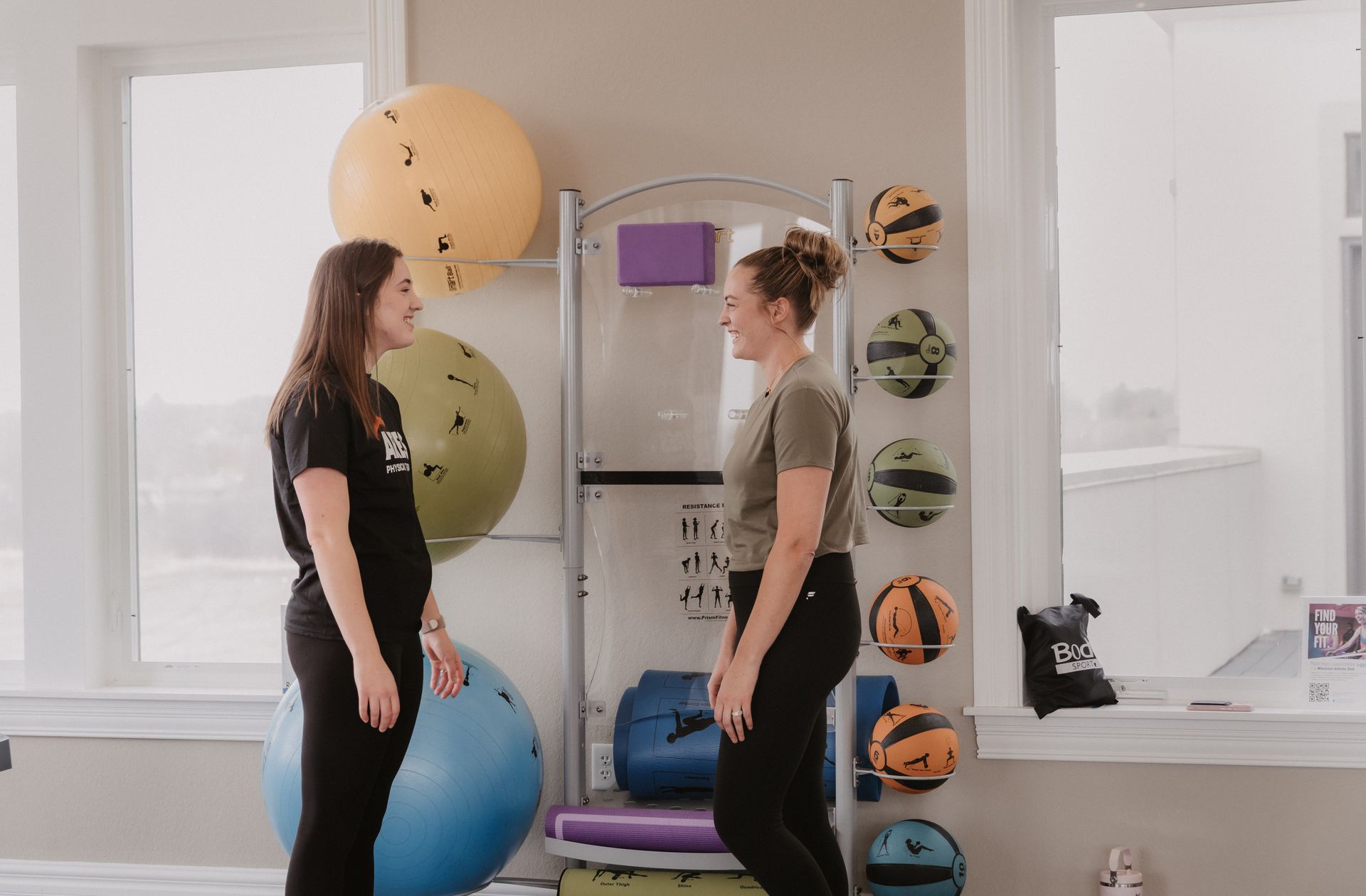
Swing Analysis and Rotational Mobility Restoration
Your sessions in Elm Grove include golf swing analysis that evaluates how your body rotates during the backswing and follow-through. We identify restrictions in thoracic rotation, hip mobility, or shoulder flexibility that force compensatory movements and create pain. Manual therapy restores joint mobility, and you progress through exercises that develop core stability and power for consistent, controlled swings.
After completing your program, you notice reduced discomfort during and after rounds, greater ease rotating through your backswing, and improved consistency with ball contact. Your swing feels smoother, and the compensations that developed to avoid pain no longer dictate your mechanics. Many golfers also report increased distance and accuracy once physical limitations are resolved.
Treatment may include dry needling and cupping for chronic tension in your back and shoulders, along with return-to-play protocols that get you back on the course safely. We provide mobility routines and strengthening programs you can continue independently to maintain your progress. This care does not include general fitness training unrelated to golf performance or injury recovery.
Common concerns before beginning treatment
Golfers often want to know how long treatment takes, whether they need to stop playing, and how physical therapy improves performance. The answers below address the practical questions players face before scheduling their first appointment.
Golf-related pain and injury respond well to treatment that addresses the rotational demands of the swing and corrects the physical limitations affecting your game. Ares Physical Therapy provides the expert care golfers in Elm Grove need to play pain-free and perform at their best. Contact us to schedule your evaluation and start playing better golf.