
Why Pilates is a Powerful Partner in Your Physical Therapy Journey (and How to Choose the Right Studio)
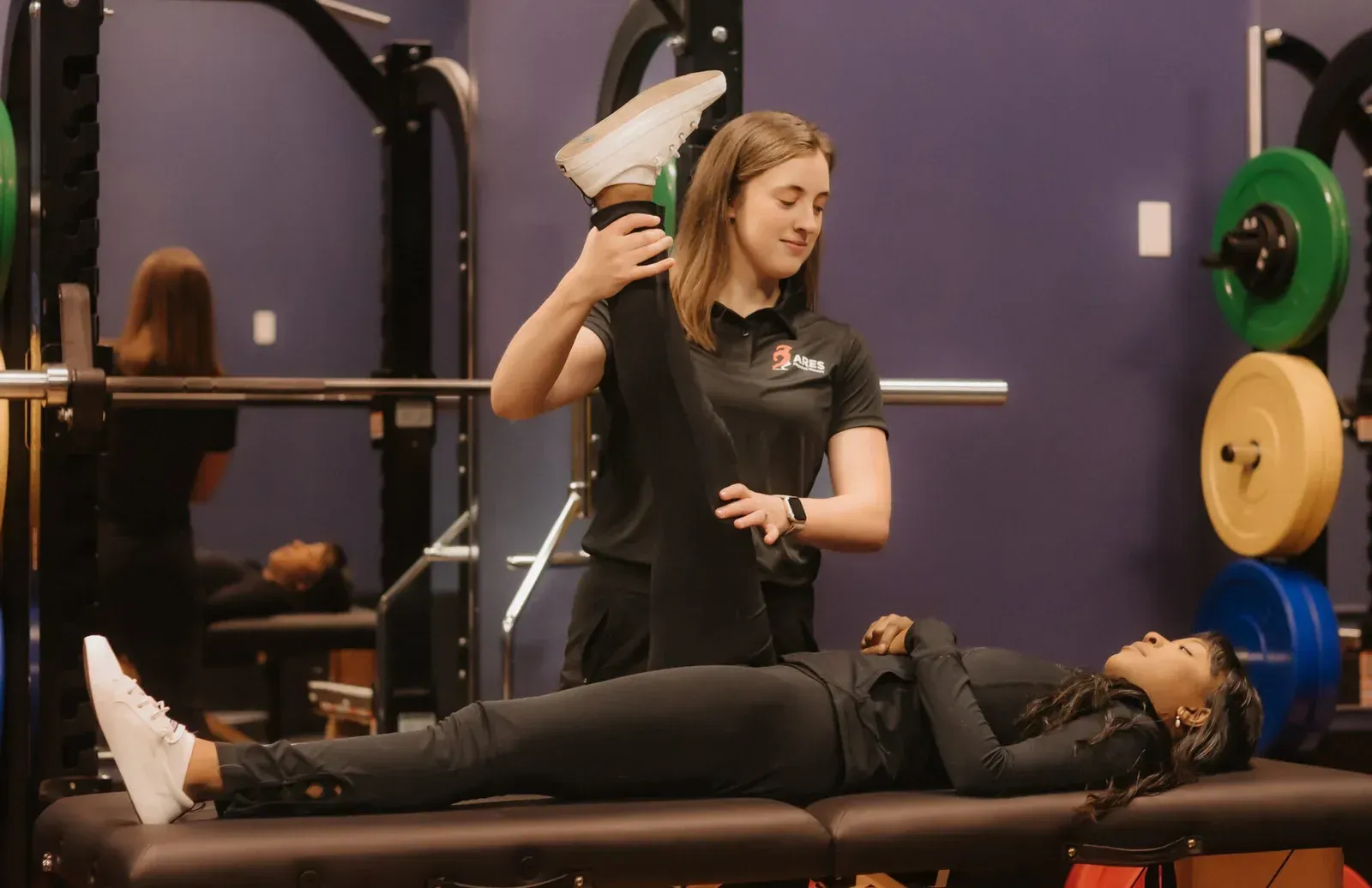
As a Doctor of Physical Therapy and Certified Strength and Conditioning Specialist (DT, DPT, CSCS), I’m often asked about complementary therapies that can truly enhance rehabilitation and long-term well-being. My answer? Absolutely, Pilates can be an incredibly beneficial complement to your physical therapy.
It’s not just a trend; Pilates, when practiced correctly, is a sophisticated system that profoundly improves core strength, flexibility, balance, and vital body awareness. These are all fundamental pillars for effective rehabilitation, robust injury prevention, and sustaining optimal movement.
While I always stress that Pilates is never a replacement for targeted physical therapy intervention, it serves as a powerful tool to solidify your recovery and empower long-term physical well-being after your formal physical therapy treatment concludes.
Here’s a deeper dive into why I, as a physical therapist, advocate for Pilates in a rehabilitation context.
The Core Benefits of Pilates, From a PT’s Perspective:
- Precision Core Strengthening & Postural Re-alignment: Pilates uniquely targets and strengthens deep intrinsic core muscles, which are essential for spinal stability and proper posture—especially crucial after injuries or surgery when core strength often declines.
- Enhanced Flexibility & Functional Range of Motion: Pilates exercises are intelligently designed to improve flexibility and expand range of motion, which is vital for patients regaining mobility post-injury or surgery.
- Refined Balance & Coordination: Injuries or surgeries can disrupt proprioception (body position awareness). Pilates retrains balance and coordination, improving movement confidence and stability.
- Heightened Body Awareness & Mind-Body Connection: Pilates enhances awareness of alignment, muscle imbalances, and movement patterns. This awareness is key for injury prevention.
- Promotes Relaxation & Stress Reduction for Healing: Controlled breathing and movement in Pilates activate the parasympathetic nervous system, promoting relaxation, healing, and overall well-being.
- Adaptive & Gradual Progression: Exercises can be safely modified for all fitness levels and injuries, supporting a progressive return to activity and performance.
Pilates vs. Physical Therapy: Understanding the Synergy
While both aim to improve physical function, physical therapy is diagnostic and targeted toward specific conditions, while Pilates offers full-body strengthening and movement optimization.
Many physical therapists (including the author) integrate Pilates principles into rehab. Patients often continue Pilates post-therapy to maintain gains, prevent relapse, and enhance long-term health.
Vital Considerations: Choosing Your Pilates Home Wisely
- Consult Your Healthcare Professional: Always check with your PT or physician before starting Pilates. This ensures it’s safe and appropriate for your condition.
- Work Only with Qualified Instructors: Choose instructors with in-depth anatomy knowledge and experience tailoring sessions to injuries and limitations.
- Pick a PT or Chiropractor-Reviewed Studio: Seek out studios recommended by PTs or chiropractors. They’re more likely to understand rehab needs, use safe biomechanics, and collaborate with healthcare providers.